The Times They Are A-Changin’: Is Business Class About Saving Hours Instead of Spending Dollars?

It used to be that business-class travel meant fancy meals, roomy seats, and immaterial perks like Champagne greetings. But today's savvy premium traveler knows that tangible benefits like more sleep, direct flights, and lounge access are worth far more than fanciness. These days business travelers aren’t “spending dollars” so much as they are “buying back their hours.”
Flying business class is less about luxury, and more about spending “minimum time in transit” and sleeping on “lie-flat beds." By turning wasted hours back into productive hours after landing, today’s travelers know that every minute counts when they're paid by the hour.
Is Business Class Worth It? When Every Hour Matters to Your Schedule
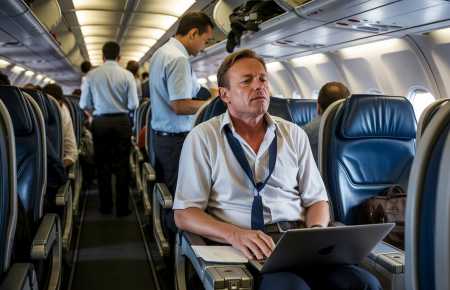
Consider how much travel really eats into your workday. When you route through airports and worry about making connections, those hours start slipping away. One survey found that business travelers lost at least one hour of productivity on days with stressful business travel. Nearly half of executives polled reported losing four hours or more after long trips. With travelers losing sleep at night and waiting on planes during the day, who can blame them?
Indeed, the Department of Defense recommends that travelers allow one day to recover from every time zone crossed on a trip. A trip from Boston to Beijing crosses 12 time zones. Multiply that by two ways, and you've spent nearly two weeks recovering from lost sleep and “sub-standard performance.”
Companies have caught on. Businesses are increasingly booking premium cabins for their workers. Premium perks like lie-flat beds, priority boarding, and lounge access aren’t just luxuries. These perks allow employees to work or sleep painlessly on long flights, then arrive more refreshed. In fact, one travel management guide bluntly states these perks ensure your employees “arrive rested” so they can perform at their best during “critical negotiations.” Or to put it another way, businesses book those fancy suites because they help workers “buy back time” at the office lost while traveling.
But you don’t need to work for the government to understand this. Airlines know travelers crave every hour. Analysts at McKinsey found that on long-haul international flights, airlines collect almost as much revenue from business class cabins as they do from economy cabins. Taking up less space than economy seats, these cabins are literally becoming airlines’ biggest cash cows.
Airlines know travelers will pay for a seat if it means more time sleeping or less downtime later. And passengers have noticed, too. 37% of business travelers surveyed by a major booking company cited reduced stress as a benefit of premium/business-class cabins. And companies are writing these perks into corporate travel policies. Many firms allow business-class tickets only after a certain flight duration (usually ~6 hours).
These days airlines and passengers both know that time is money, and every hour in business class is an hour “spent sleeping or working rather than sitting in your seat wondering how you can afford your next flight.”
More Sleep = Less Jet Lag = More Time Back in Your Day
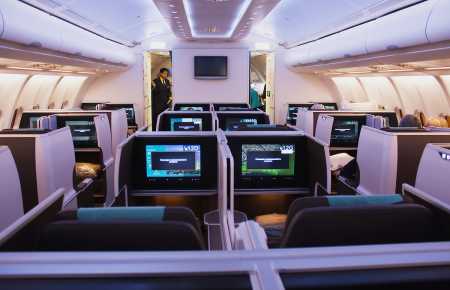
One big reason business class lets you sleep more? Business seats lie fully flat. Unlike cramped seats up front or squeezed seats in the rear, fully lie-flat business class seats give travelers a bed while 30,000 feet in the air. Business travelers realize this, and praise the ability to sleep peacefully as a “high value perk of business class” that lets them “arrive ready to work." Compare that to a crowded economy cabin, where you may get a tight 30-32 inches of recline (pitch) and be stuck in your seat for hours on end. When you get real sleep on the plane, you can fight jet lag. Sure enough, studies show business-class seats can even reduce jet lag symptoms in professional athletes. Rather than losing days of productivity when you arrive, travelers who book business class can “arrive closer to 100%,” rather than 60%, ready to rock. Amenities like lie-flat seats and airport lounge access let you “work or rest more effectively” when you travel.
Fewer Stops = Faster Routing = Going Nonstop
Business travelers also value getting from point A to point B as direct a route as possible. Every flight leg and layover is more time spent idle in airports. More transit time equals more dead time spent rushing through security, waiting for gates, and sleeping on harder seats. Thankfully airports and airlines are listening. Technology like the Airbus A321XLR lets airlines add “nonstop flights” to places that only had connecting flights before. Airlines and airports are working to give you more nonstops, meaning less transit time and more time working when you arrive. Will your next long flight have multiple stops? Or will it go nonstop? More travelers are betting on the latter.
Other Business-Travel Time Savers: Lounges, Priority Boarding, and In-flight Wi-Fi
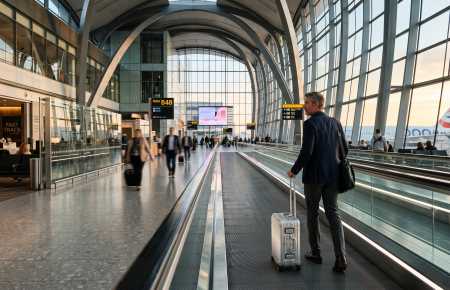
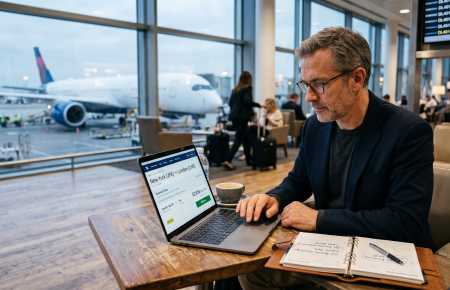
Many business-class perks don’t take place in the air at all. By streamlining airport experience with lounges, speedy security checks, and priority boarding, airlines are trying to give you back time at the airport. With business class tickets, you can usually skip to the front of security lines, check bags at the accelerated counter, board the plane early, and fly without pesky stopovers. By streamlining these dead minutes at the airport, business class can help you “save valuable time.." Plus, lounge access at the airport is a big bonus. Sure, you can wait by the gate listening to bad announcements. Or you can use airport lounges to relax, sip a coffee, and even get some productive work done in a comfy seat. Many lounges also offer showers so travelers can freshen up before their flight. It all adds up. By cutting down your time spent at the airport, you’ll come out ahead when your clock stops running.
Once on board, productivity flows. Business-class cabins usually have larger personal entertainment screens, more reliable power ports at every seat, and even onboard Wi-Fi. Want to get some work done mid-flight? With today' s business-class suites, you can stay productive while cruising above the clouds. In fact, many in-flight guides advise business travelers to make use of “ Wifi and power outlets to wrap up that work project” before landing. Taken together, flying business helps you “eliminate friction” so you never worry about downtime. Fewer connections, faster security, and more ergonomic seats means you can spend less time stuck and more time doing what you want.
Finding the Best Business Class Flight (and Seat) for Your Schedule
Alright, you’re a savvy traveler, but how do you know which flights will let you “buy back the most time?” For starters, do your homework on flight routes and cabin layouts. Maybe that fully-flat seat is actually only semi-reclined. Or maybe you're routed through a city with a tricky connection. With so many nuances to consider when flying, frequent flyer blogs like BCFlights highlight that anything less than a truly flat bed is a waste of money on a long-haul flight. Other tricks range from checking seat maps for direct aisle access to researching whether your flight crosses over too many time zones. When choosing your next flight, you’ll want to consider more than just airfare.
Instead of guessing which flights will maximize your time, let BCFlights do the homework for you. Searching for Business Class? BCFlights automatically weeds out connections and routes with older planes. BCFlights gives you cabin maps and details on every flight so you can compare seating layouts. And BCFlights was founded on the idea that business class can help you “buy back time” lost in transit. When you use BCFlights to find your next flight, you can select options that spend less time on the clock, and more time recharging next week.